
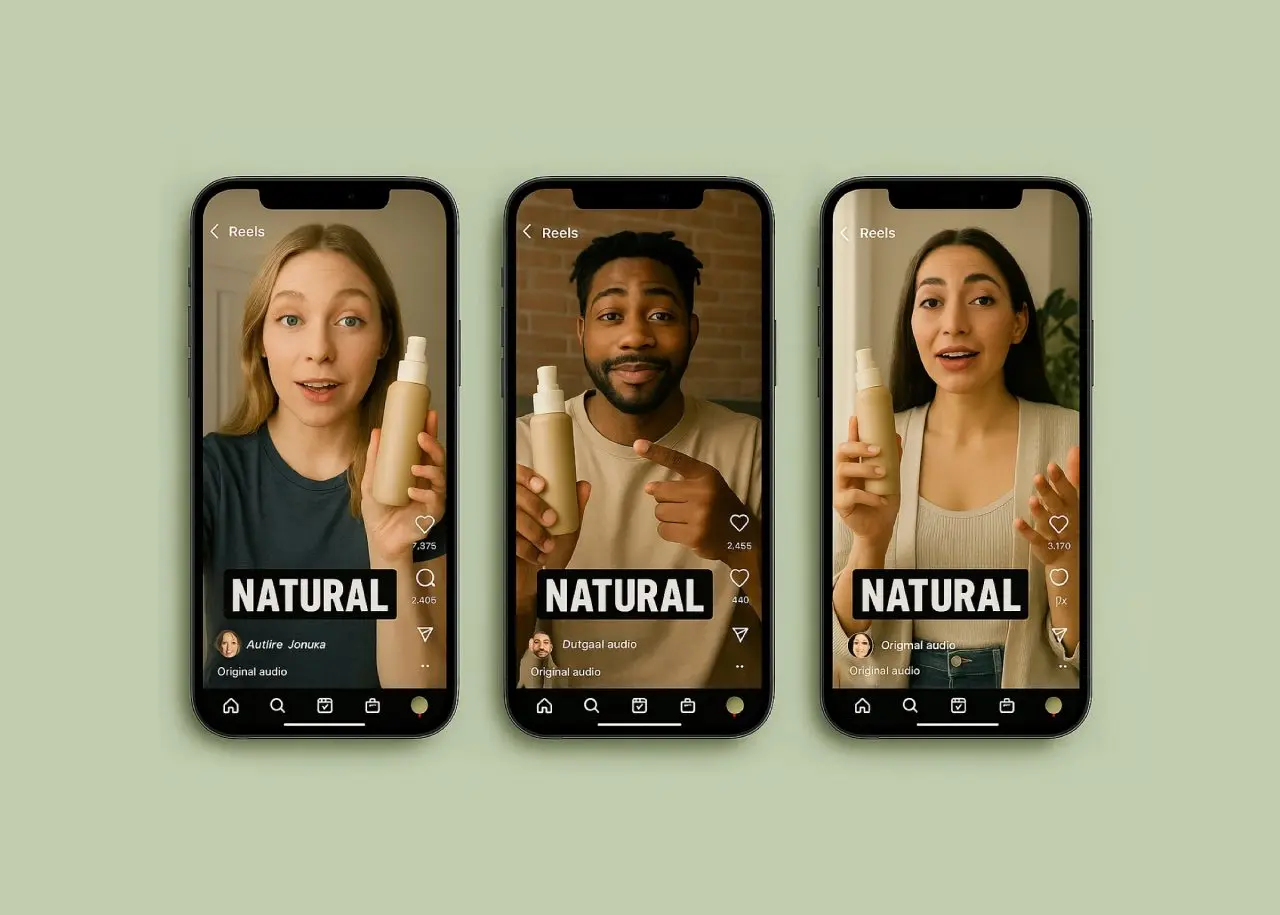
Why High-Engagement UGC Still Fails to Convert (And What Brands Misread)
One of the most confusing moments for brands using UGC looks like this:
- Likes are high
- Comments are flowing
- Shares look healthy
- Watch time seems decent
And yet…
👉 Sales don’t move.
👉 CPA stays high.
👉 ROAS refuses to scale.
At first glance, this feels illogical.
If people are engaging, shouldn’t conversions follow?
Not necessarily.
In fact, high engagement is one of the most misleading success signals in UGC marketing. Many brands unknowingly celebrate the very metrics that quietly block conversions.
This blog breaks down why engagement-heavy UGC often fails to convert — and what brands consistently misread when analyzing performance.
1. Engagement Is an Emotion, Not an Intent
Engagement tells you how people feel, not what they plan to do.
People engage with UGC because it’s:
- Entertaining
- Relatable
- Funny
- Emotionally validating
But none of these guarantee purchase intent.
A viewer might comment:
“This is so real 😂”
…and still have zero intention of buying.
High engagement often signals connection, not commitment. When brands mistake emotional resonance for buying readiness, they scale the wrong creatives.
2. UGC Can Be Likeable Without Being Persuasive
Some UGC performs well because it’s pleasant — not because it’s convincing.
This usually happens when:
- The creator is charismatic
- The storytelling is enjoyable
- The video feels “nice” to watch
But persuasion requires something more uncomfortable:
- Addressing doubts
- Challenging hesitation
- Reducing risk
- Clarifying trade-offs
UGC that avoids friction often wins likes but loses conversions. People enjoy it — then scroll on.
3. The Comment Section Lies (Sometimes)
Brands love reading comments.
But comments are not always truth.
Many UGC comments are:
- Social participation (“Agree”, “Same here”)
- Identity signaling (“This is me”)
- Algorithm-driven reactions
Very few comments actually signal:
- Buying readiness
- Objection resolution
- Decision confidence
When teams optimize based on comment volume instead of comment quality, they misinterpret success.
The key question isn’t “Are people talking?”
It’s “What are they saying — and why?”
4. Engagement Often Comes From the Wrong Audience
Another silent problem: misaligned reach.
UGC can attract engagement from people who:
- Relate emotionally
- Enjoy the creator
- Like the format
…but aren’t the buyer.
This is especially common when:
- Creators have a broad audience
- Content leans too generic
- The problem statement is universal, not specific
The result?
High engagement from non-buyers.
Low conversion from actual prospects.
5. When UGC Becomes Entertainment Content
There’s a thin line between conversion UGC and entertainment UGC.
Once UGC starts optimizing for:
- Humor
- Relatability
- Virality
- Trend participation
…it often drifts away from its original purpose: helping someone decide.
Entertainment UGC spreads.
Decision UGC converts.
Brands that blur this line often chase engagement at the cost of revenue.
6. The Missing “Moment of Decision”
Most high-engagement UGC fails at one critical point:
👉 It never creates a decision moment.
A decision moment is when the viewer subconsciously thinks:
- “This is for me”
- “This solves my issue”
- “I trust this enough to try”
UGC that only tells a story but never nudges a decision leaves viewers emotionally satisfied — but inactive.
Conversions require subtle direction, not pressure.
7. Engagement Peaks Too Early
In many high-engagement UGC videos:
- The best moment happens in the first few seconds
- Reactions peak early
- The rest of the video adds little value
This creates a problem:
- People react
- People comment
- People move on
There’s no progression toward clarity or conviction.
UGC that converts usually builds, not spikes.
8. Brands Scale the Wrong Signal
When brands see engagement rise, they often:
- Increase budgets
- Duplicate the format
- Reuse the same angle
But if engagement wasn’t tied to buying intent in the first place, scaling only amplifies the wrong outcome.
More likes ≠ more sales.
Sometimes it just means more noise.
9. Conversion UGC Feels Slightly Uncomfortable
Here’s an overlooked truth:
UGC that converts often feels less “safe” than UGC that engages.
It may:
- Address objections directly
- Acknowledge skepticism
- Admit limitations
- Speak plainly
This type of UGC doesn’t always explode with likes — but it quietly drives action.
Brands that only trust “feel-good” performance miss this entirely.
Final Thoughts
Engagement is easy to measure.
Conversions are harder to diagnose.
That’s why so many brands confuse movement with momentum.
High-engagement UGC isn’t broken — it’s just misunderstood. When brands stop treating engagement as the finish line and start treating it as one signal among many, performance becomes clearer.
UGC doesn’t need to be louder.
It needs to be sharper.