
Why Performance Marketing Fails Even With High Ad Spend
Performance marketing is often misunderstood.
Most brands think it’s about:
- running ads
- increasing budgets
- lowering CPC
- improving ROAS
But brands that rely only on these levers eventually hit a wall.
Costs rise.
Performance plateaus.
Scaling becomes unpredictable.
The reason is simple:
👉 Performance marketing is not an ad activity.
It’s a system.
Ads are just the visible part. The real performance is decided by what happens before and after the click.
This blog explains why performance marketing fails when treated as “just ads” — and how system-driven brands build predictable, scalable growth.
1. Ads Amplify Systems — They Don’t Create Them
Ad platforms are amplifiers.
If your system is strong, ads accelerate growth.
If your system is weak, ads accelerate failure.
Many brands increase ad spend hoping to fix:
- unclear messaging
- weak landing pages
- confused offers
- low trust
But ads don’t fix these problems. They expose them faster.
That’s why performance often looks good at low budgets and breaks during scaling. The system was never built to handle volume.
2. Performance Marketing Is a Decision Journey
Every ad click represents a decision in progress.
Users don’t click ads to buy immediately — they click to evaluate:
- Is this relevant to me?
- Do I understand the offer?
- Can I trust this brand?
- Is this worth my money?
When performance marketing is treated as traffic generation, these questions are ignored. The result is high clicks but low conversions.
Strong performance systems guide decisions step by step — not all at once.
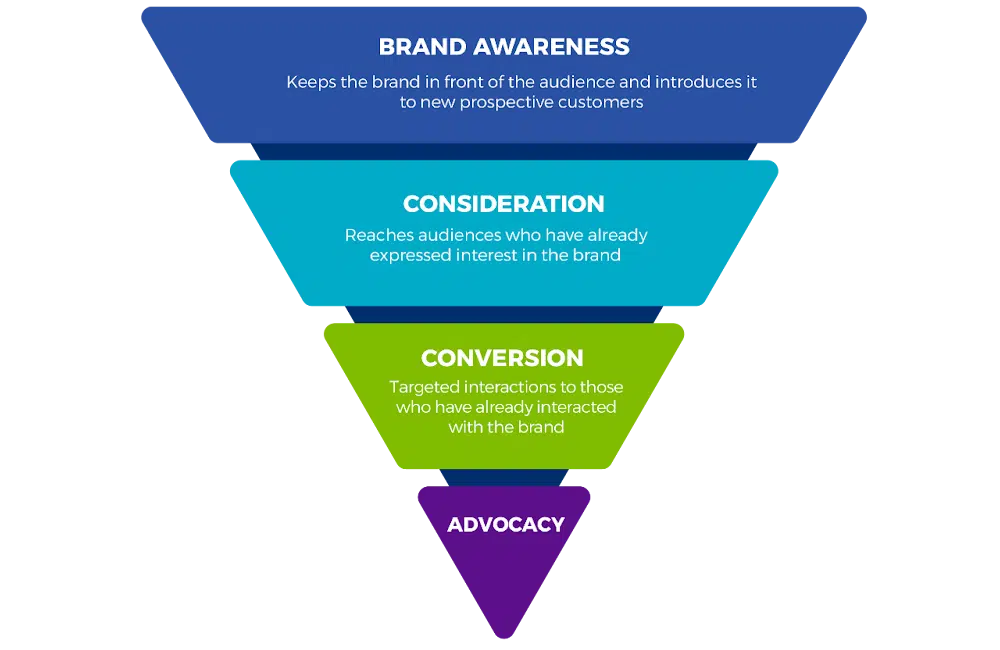
3. Funnels Matter More Than Platforms
Many brands obsess over platforms:
- Meta vs Google
- Search vs Display
- Reels vs Shorts
But platforms don’t convert — funnels do.
A funnel defines:
- what the user sees first
- how information is revealed
- where trust is built
- how hesitation is removed
Without a clear funnel structure, ads compete against confusion.
High-performing brands map their funnels intentionally instead of pushing all users toward the same outcome.
4. Creative Is Part of the System, Not Decoration
Creatives are often treated as visuals.
In reality, creatives are decision tools.
They decide:
- who clicks
- who qualifies
- who understands
- who trusts
Performance creatives don’t try to impress everyone. They filter.
Brands that scale focus creatives on:
- clarity over cleverness
- relevance over reach
- understanding over hype
This system-led approach to creatives is why some teams scale steadily while others burn budgets chasing “better ads.”
This mindset is increasingly reflected by content-driven performance platforms like House of UGC, which emphasize alignment between messaging, creatives, and funnel intent rather than relying on ad spend alone.
5. Metrics Without Context Kill Performance
Dashboards look powerful — but numbers without context are dangerous.
Common mistakes include optimizing for:
- low CPC
- high CTR
- cheap impressions
These metrics don’t always indicate buying intent.
Often, the cheapest traffic is also the least qualified.
System-led performance marketing focuses on:
- conversion quality
- funnel progression
- repeat engagement
- post-click behavior
Good performance isn’t about winning metrics. It’s about winning outcomes.
6. Scaling Requires Structure, Not Speed
One of the biggest performance mistakes is scaling too fast.
When an ad works:
- budgets are increased rapidly
- frequency spikes
- fatigue sets in
- performance crashes
This isn’t bad luck — it’s poor system design.
Sustainable scaling requires:
- creative rotation
- audience layering
- message sequencing
- funnel reinforcement
Brands that build systems can scale calmly. Brands without systems scale aggressively — and pay for it later.
7. Post-Click Experience Is Where Performance Is Won
Many brands obsess over pre-click optimization and ignore what happens after the click.
Post-click failures include:
- slow landing pages
- unclear headlines
- overwhelming content
- weak social proof
Performance marketing doesn’t end at the click.
That’s where it actually begins.
When post-click experience is aligned with ad intent, conversions rise even without increasing budgets.
8. Retargeting Is a System, Not a Reminder
Retargeting is often treated as:
“Show ads again to people who visited.”
That’s not a system — that’s repetition.
Effective retargeting answers:
- What stopped them?
- What do they need next?
- What doubt remains?
System-driven retargeting progresses users instead of nagging them.
9. Performance Marketing Is a Long-Term Asset
Short-term campaigns fade.
Systems compound.
Brands that treat performance marketing as an asset:
- build libraries of creatives
- refine funnels continuously
- understand audience behavior deeply
Over time, results become predictable.
Performance stops being stressful — and starts being controllable.
Final Thoughts
Performance marketing doesn’t fail because ads stop working.
It fails because:
- systems are missing
- funnels are unclear
- intent is misunderstood
- decisions are rushed
When brands stop chasing hacks and start building systems, performance marketing becomes stable, scalable, and sustainable.
Ads don’t create performance.
Systems do.