
The Funnel Stage Most Brands Ignore in Performance Marketing
When brands talk about performance marketing, conversations usually revolve around two extremes.
At the top of the funnel:
- impressions
- reach
- traffic
- CPC
At the bottom of the funnel:
- conversions
- ROAS
- sales
- revenue
What sits in between is often rushed, ignored, or misunderstood.
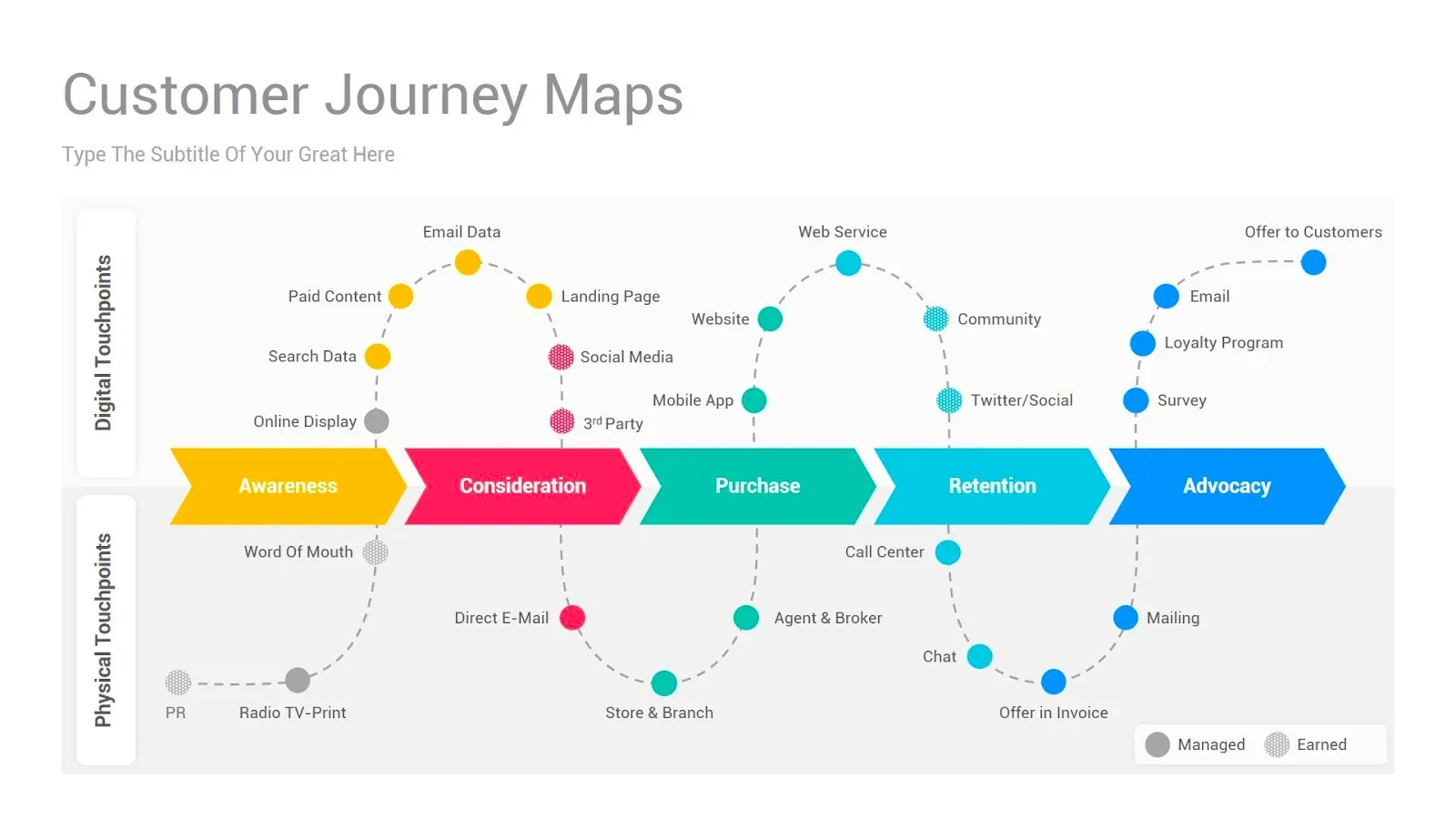
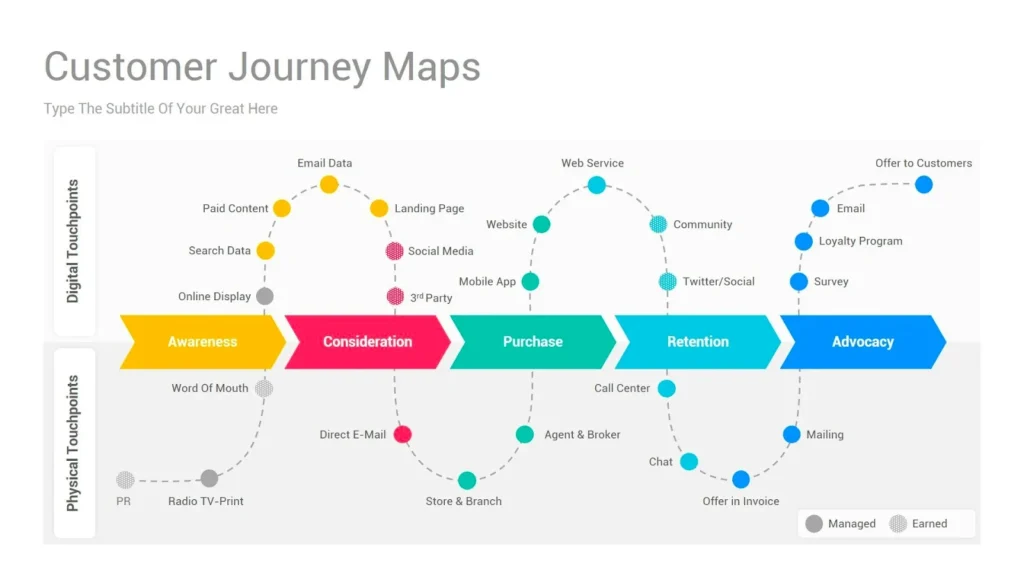
👉 The most neglected stage in performance marketing is the consideration stage.
And ignoring it is one of the biggest reasons ads become expensive, scaling feels unstable, and performance breaks even when creatives and budgets look right.
This blog explains what the consideration stage really is, why brands skip it, and how fixing it can dramatically improve paid performance.
1. Performance Marketing Is Not a Straight Line
Many brands design their funnels like this:
Ad → Landing Page → Purchase
This assumes users are ready to buy the moment they click.
In reality, most users click ads to:
- understand the offer
- evaluate relevance
- compare alternatives
- reduce uncertainty
Clicking is not buying.
It’s curiosity.
When brands skip the consideration stage, they force users to decide before they feel confident — and most people respond by leaving.
2. What the Consideration Stage Actually Does
The consideration stage is where users answer their internal questions:
- Is this actually for someone like me?
- Do I understand how this works?
- Why should I trust this brand?
- How is this different from other options?
This stage doesn’t push for action.
It builds clarity and confidence.
Without it, ads are asking users to commit before they’re ready — which creates friction, hesitation, and high drop-offs.
3. Why Brands Ignore the Consideration Stage
There are three main reasons brands skip this stage:
1️⃣ It Doesn’t Convert Instantly
Consideration content doesn’t always produce immediate sales, so it looks weak in dashboards.
2️⃣ It Shows Lower ROAS
Because it supports decisions rather than closes them, its ROAS often looks worse than bottom-funnel ads.
3️⃣ It’s Harder to Measure
Trust, understanding, and confidence don’t show up as clean metrics.
As a result, brands over-invest in:
- aggressive CTAs
- discounts
- urgency-driven ads
This might work short term — but it creates fragile performance.
4. The Hidden Cost of Skipping Consideration
When the consideration stage is missing, performance marketing becomes expensive.
Common symptoms include:
- high CTR but low conversions
- heavy dependence on retargeting
- unstable ROAS
- difficulty scaling
- rising acquisition costs
These are not creative problems.
They are confidence problems.
Users are interested — but not convinced.
5. What Consideration-Stage Content Looks Like
Consideration content is not promotional.
It’s explanatory.
It focuses on:
- clarity over persuasion
- reassurance over urgency
- understanding over hype
Examples include:
- product explainers
- how-it-works breakdowns
- FAQs and objection handling
- testimonials and real use cases
- comparisons and differentiation
This content doesn’t shout.
It answers.
And answers are what move users forward.
6. Why Retargeting Is Not a Replacement
Many brands believe retargeting is their consideration strategy.
It’s not.
Showing the same ad again doesn’t:
- clarify confusion
- reduce doubt
- build understanding
True consideration requires new information, not repetition.
Retargeting should:
- deepen the message
- address hesitation
- advance the conversation
Not restart it.
7. How the Consideration Stage Improves Paid Performance
When a strong consideration layer exists, several things change:
- conversion rates improve
- CPC becomes less sensitive
- ROAS stabilizes over time
- retargeting becomes cheaper
- scaling feels smoother
Why?
Because ads are no longer forcing decisions.
They are supporting decisions already forming.
This system-first view of performance — where content and paid media work together — is increasingly adopted by performance-focused teams and platforms like House of UGC, where growth is treated as a structured journey rather than a click-to-sale shortcut.
8. The Consideration Stage Is Critical for Scaling
Scaling introduces colder audiences.
Colder audiences:
- know less about your brand
- trust you less
- need more context
Brands without a consideration stage struggle to scale because they rely on pressure instead of education.
Brands with a strong consideration layer scale calmly — because users feel informed, not rushed.
This is why many campaigns look profitable at small budgets but collapse during scaling.
9. How to Add a Consideration Layer (Simply)
You don’t need complex funnels.
Start with:
- one explainer page or asset
- one trust-focused section
- one set of reassurance creatives
Structure the journey as:
Ad → Explanation → Conversion
Even this single change can dramatically improve performance without increasing spend.
10. Performance Marketing Is About Helping People Decide
The biggest mistake brands make is treating performance marketing as persuasion.
It’s not.
Performance marketing is about guiding decisions.
People don’t need more pressure.
They need more clarity.
And that clarity lives in the consideration stage.
Final Thoughts
Most performance marketing problems don’t start in ads.
They start in the gap between:
- interest and confidence
- curiosity and commitment
The consideration stage fills that gap.
Ignore it, and performance will always feel expensive, unstable, and stressful.
Build it, and performance marketing becomes:
- predictable
- scalable
- sustainable
Because the strongest funnels don’t rush decisions —
they support them.